Antalya Metropolitan Municipality has started silk farming at the Alanya Sapadere Silk House Production Center.
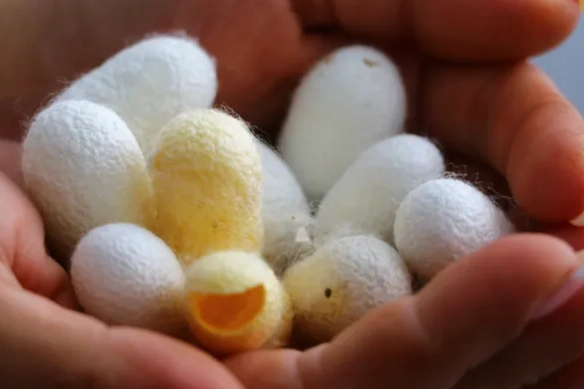
Antalya Metropolitan Municipality has initiated silk farming at the Alanya Sapadere Silk House Production Center, aligned with its goals of local development and promoting reverse migration. Located within a restored old village school, the center houses special rooms where silkworms are fed mulberry leaves. These silkworms will undergo four stages before spinning cocoons. The silk obtained from these cocoons will be used to produce various products in workshops. Reviving the region's cultural heritage, which had been largely forgotten, aims to provide economic benefits to the local community and contribute to tourism.
Ayşenur Özdoğan Gülmez, responsible for Sapadere Silk House, noted that the region has a history of silk farming that supported many families economically in the past. Due to urban migration, younger generations moved away, causing a decline in sericulture among the elderly who remained. The project, which started distributing mulberry tree saplings to locals in 2019, aims to revitalize this tradition.
Antalya Metropolitan Municipality renovated the old school building into the Silk House Production Center, where the meticulous process of silkworm rearing has begun. Silkworms are fed mulberry leaves three times a day in specially prepared classrooms. Gülmez emphasized the importance of using organic mulberry leaves free from pesticides for the silkworms' health. As of April, the silkworms have entered the larval stage, progressing through various growth phases towards cocoon spinning.
Gülmez further explained plans to start silk weaving in September using the cocoons produced locally. Training sessions and workshops will also empower women to create diverse products, contributing to economic regeneration and revitalizing weaving traditions in the region. The initiative not only aims to bolster economic sustainability but also attract tourists interested in cultural experiences.
Highlighting the cultural significance, Gülmez mentioned that Sapadere attracts between 1,500 to 2,000 tourists daily during the summer months from April to September. The Silk House includes a regional museum and silk production workshops open for tourist visits. Local artisans will sell their products at stands set up within the premises, promoting cultural tourism in the area.
Retired psychologist Bekir Örmeci, who settled in Sapadere with his wife, praised Antalya Metropolitan Municipality for revitalizing sericulture and preserving traditional crafts. He expressed gratitude to Mayor Muhittin Böcek for supporting such meaningful initiatives to revive cultural heritage and sustain rural communities.
Özlem Örmeci, echoing her husband's sentiments, appreciated the municipality's efforts in transforming the village school and eagerly anticipated learning about silkworm farming. She emphasized the importance of preserving sericulture as a vital cultural tradition.
In conclusion, the project at Sapadere Silk House aims not only to revive silk farming and traditional crafts but also to foster economic growth, promote cultural tourism, and encourage reverse migration to sustain rural communities.
3.5